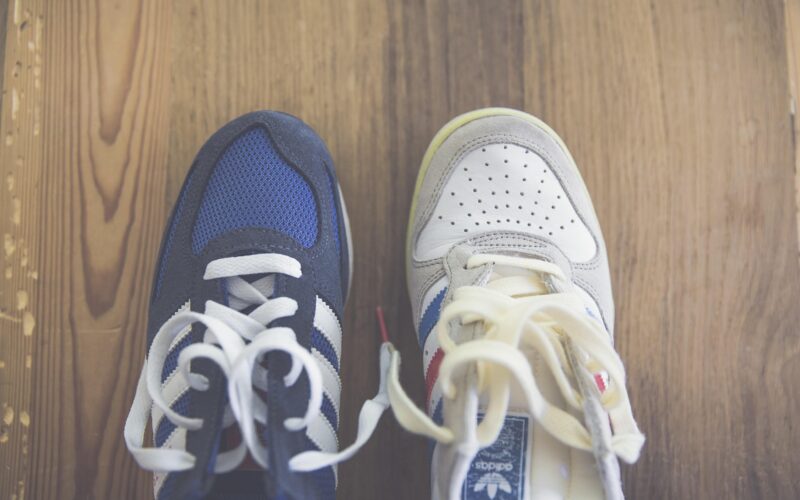
Setting Fitness Goals as a Couple
Embarking on a health and fitness journey with your partner can be a powerful way to strengthen your bond and build a healthier future together. It offers a unique opportunity for mutual support and shared accomplishments. However, aligning two different sets of goals, preferences, and motivations can be challenging. The key is to find a shared path that respects individual differences rather than forcing one person to adopt the other's regimen. A successful approach focuses on communication, compromise, and celebrating progress together, ensuring the journey is encouraging for both of you.
Start with an open and honest conversation
The first step is to sit down and talk. This conversation should be a safe space to discuss your individual health and fitness aspirations without judgment. What does being "healthy" mean to each of you? One person might dream of running a marathon, while the other may simply want to have more energy for weekend activities. Discuss your motivations, fears, and what you enjoy. This initial chat is not about setting concrete plans, but about understanding each other's perspectives. It lays the foundation for all future planning by establishing a clear picture of what you both hope to achieve.
Find your common ground
Once you understand each other's visions, you can identify areas of overlap. Perhaps you both want to eat healthier meals, improve your cardiovascular health, or simply spend more active time together. This common ground is your starting point. It could be as simple as committing to a 30-minute walk together after dinner three times a week or trying a new healthy recipe every weekend. Focus on activities you both genuinely enjoy. If one of you despises the gym, forcing joint membership will only breed resentment. Maybe a dance class, hiking, or cycling is a better fit. The goal is to find shared activities that feel like quality time, not a chore.
Set collaborative and individual goals
It is vital to have both "we" goals and "me" goals. Your collaborative goals are the activities you do together, like your weekly walks or cooking plans. These goals foster teamwork and accountability. At the same time, respect and support each other's individual pursuits. If your partner wants to take up weightlifting while you prefer yoga, that is perfectly fine. You do not have to do everything together. Supporting each other's personal goals—perhaps by making sure they have the time to go to their class or celebrating a new personal best—is just as important as working on shared objectives. This balance allows for personal growth within the partnership.
Focus on support, not management
Your role is to be a partner, not a personal trainer or a nutritionist. Avoid the temptation to police your partner's choices or constantly monitor their progress. This can feel controlling and lead to frustration. Instead, focus on providing positive reinforcement and encouragement. Celebrate small wins, like completing a workout on a busy day or choosing a healthier food option. Offer practical support, such as preparing a healthy meal when you know they have had a long day. The journey should be built on a foundation of mutual support and positivity, not pressure.
Be flexible and willing to adapt
Life is unpredictable, and your fitness plan should be flexible enough to accommodate that. There will be weeks when work is overwhelming, or you simply lack motivation. It is important to be able to adapt your plans without guilt or blame. If you miss a planned workout, do not let it derail your entire week. Just get back on track the next day. Regularly check in with each other to see how things are going. Are you both still enjoying the activities? Do any goals need to be adjusted? Being open to change ensures that your fitness journey remains a positive and sustainable part of your lives together.
Ultimately, setting fitness goals as a couple is less about having identical routines and more about sharing a commitment to a healthier lifestyle. By communicating openly, finding shared interests, and offering unwavering support, you can align your visions for the future. This collaborative approach not only helps you achieve your health objectives but also deepens your connection, making the journey itself a rewarding experience for your relationship.